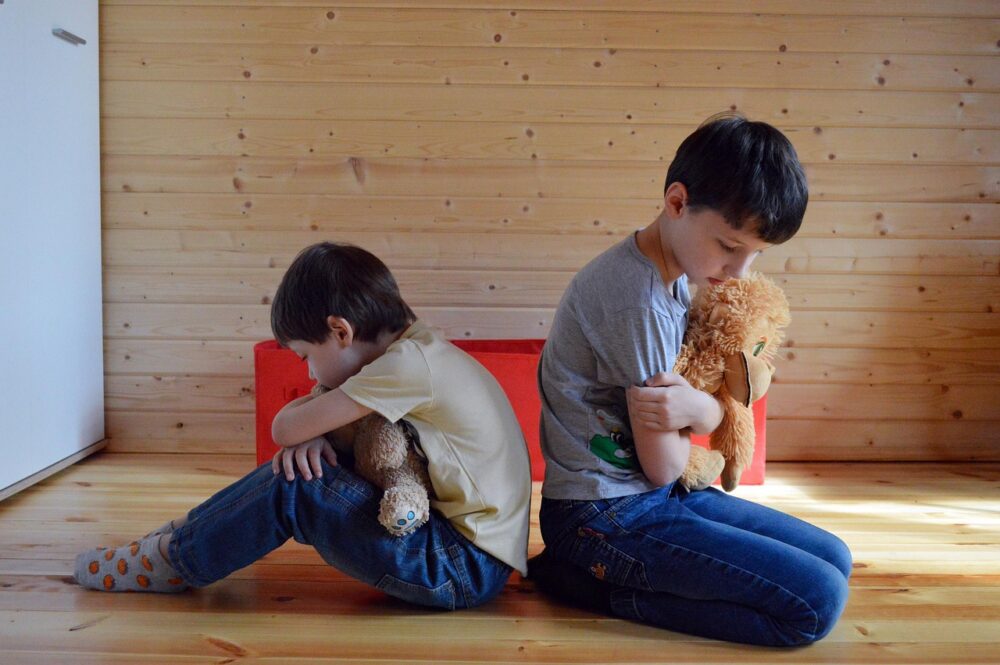
Big emotions are a natural part of growing up. From toddler tantrums and sibling arguments to school worries and friendship struggles, children are still learning how to understand and manage what they feel. Emotional regulation is not something children are born knowing how to do. It develops gradually through patience, guidance, and support from the adults around them.
Helping your child regulate their emotions does not mean preventing them from ever feeling upset, angry, frustrated, or disappointed. Instead, it means teaching them healthy ways to recognise, express, and work through those feelings safely and confidently.
Help Children Name Their Feelings
Young children often experience emotions before they have the vocabulary to explain them. One of the best ways parents can help is by naming emotions as they happen.
Simple phrases such as “You seem disappointed,” “Are you feeling frustrated?” or “It looks like you’re nervous about today” can help children connect words to emotions. Over time, this builds emotional awareness and helps children communicate their feelings instead of acting them out through behaviour.
When children understand what they are feeling, it becomes easier for them to manage those emotions.
Stay Calm During Emotional Moments
Children often learn emotional responses from the adults around them. When parents react with anger or panic, children can mirror those same reactions.
Staying calm during emotional outbursts helps children feel secure and supported, even when emotions are running high. This does not mean ignoring poor behaviour, but responding with patience, consistency, and reassurance.
Children rely on adults to help them feel safe while they are learning how to calm themselves down.
Encourage Healthy Emotional Outlets
Every child needs positive ways to release emotions. Some children may feel better after talking things through, while others may need movement, creativity, or quiet time.
Activities such as drawing, reading, deep breathing, going outside, listening to music, or simply sitting quietly together can help children process overwhelming feelings in a healthy way.
Teaching these coping tools early can help children build emotional resilience as they grow.
Acknowledge Feelings While Keeping Boundaries
It is important for children to feel heard, even when their behaviour needs correcting.
For example, saying “I understand you’re upset because playtime is over, but we cannot hit or throw things” teaches children that all emotions are acceptable, but not all behaviours are.
This balance of empathy and boundaries helps children feel supported while also learning responsibility and self-control.
Talk About Emotions Every Day
Emotional learning does not only happen during difficult moments. Everyday conversations are just as important.
Parents can create opportunities to discuss emotions during mealtimes, bedtime chats, or while reading together. Questions like “What made you happy today?” or “Was there anything difficult at school?” encourage children to reflect on their feelings and become more comfortable expressing themselves.
Open communication helps children feel safe talking about emotions as they grow older.
Lead by Example
Children watch how adults manage stress, disappointment, and frustration. Parents who model healthy emotional habits teach children valuable life skills without even realising it.
Taking deep breaths, apologising after mistakes, or calmly explaining feelings all show children that emotions are normal and manageable.
Children learn far more from what we do than from what we say.
Be Patient With the Journey
Learning emotional regulation takes time, especially for younger children whose brains are still developing important self-control skills. There will be moments of frustration, setbacks, and repeated reminders along the way.
Consistency, patience, and connection are key. Small daily interactions and supportive conversations can make a huge difference over time.
Final Thoughts
Helping children regulate their emotions is one of the most important skills parents can nurture in the early years. Children who learn how to understand and manage their feelings often develop stronger confidence, healthier relationships, and better coping skills later in life.
For families in Chiang Mai, creating a calm and supportive home environment where emotions can be expressed safely is one of the best foundations for raising emotionally resilient children.